

The Amman Citadel, also known as Jabal Al-Qal‘a, is an archaeological site on a hill overlooking downtown Amman. Its landmarks include the Temple of Hercules, the Umayyad Palace and a Byzantine Church, while its history stretches from the Bronze Age through the late Islamic periods.
- Location: Jabal Al-Qal‘a, in the heart of Amman, above downtown.
- Opening pattern: Open daily
- Entrance fee: 0.25 Jordanian dinars for Jordanians and 3 Jordanian dinars for foreign visitors.
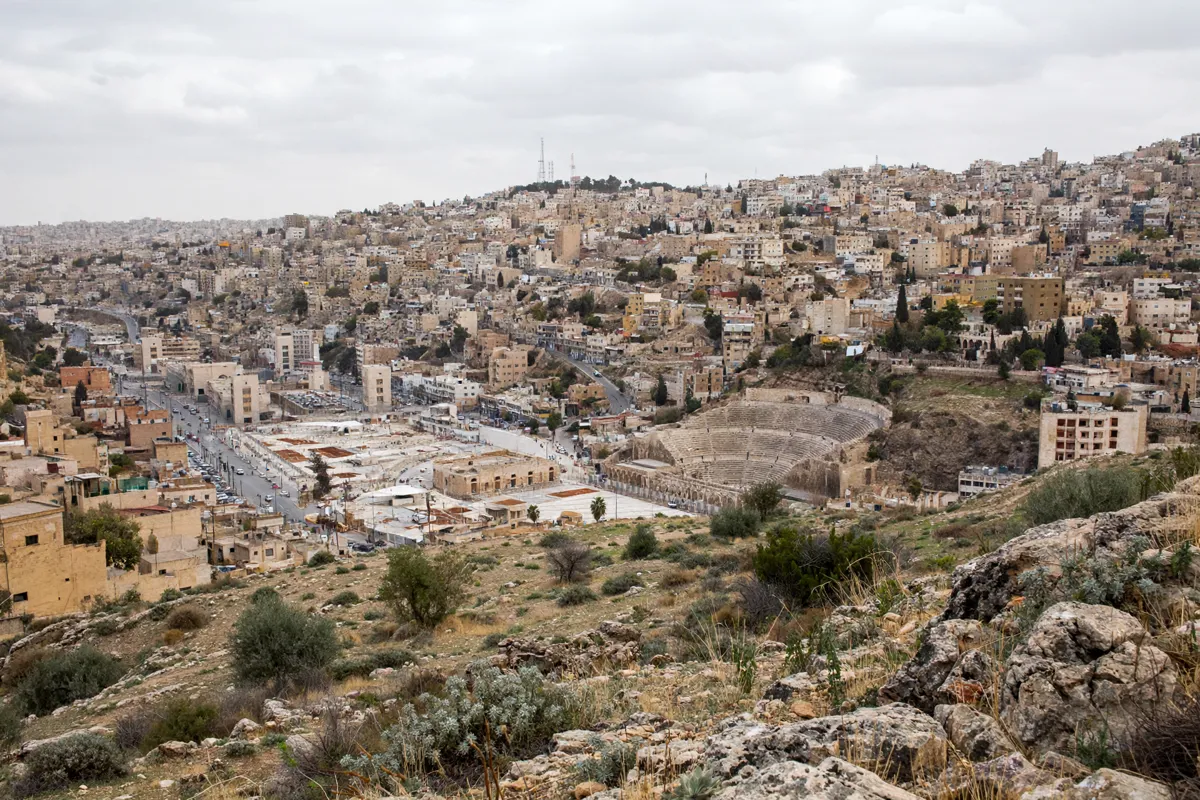
Where the Amman Citadel sits
The Amman Citadel occupies Jabal Al-Qal‘a in the heart of Amman, overlooking downtown. Its elevated setting places the archaeological site above the city centre, with the surrounding urban landscape visible from the hill.
The Department of Antiquities describes continuous settlement here from the Bronze Age through the late Islamic periods. The Ammonites made the site their capital, Rabbath Ammon, and built a palace and temple there.
During the Hellenistic period, Ptolemy II Philadelphus rebuilt the city and renamed it Philadelphia. In the Roman period, Philadelphia expanded and flourished as one of the cities of the Decapolis League.
The hill’s location also makes the Citadel a natural part of a downtown-focused day. You can pair it with the Roman Theatre and Odeon, which have their own historic sites in central Amman; the Roman Theatre is another landmark to include in a visit to the Roman Theatre and Odeon.
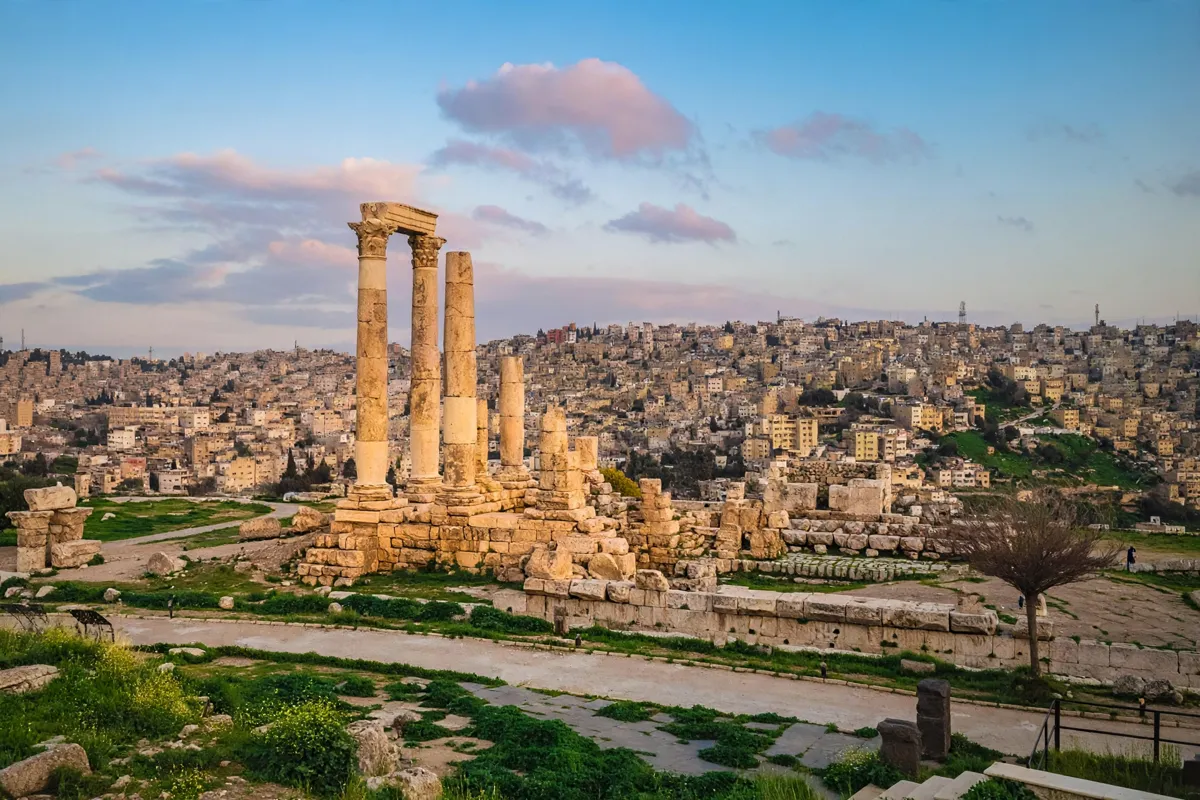
Key remains inside the archaeological site
The Citadel’s major remains include structures from Roman, Byzantine, Umayyad and later periods, so the site brings several chapters of Amman’s history together on one hill.
The Temple of Hercules is among its best-known landmarks. Other significant features include the Byzantine Church, Umayyad Palace, Umayyad Mosque, Market (Souq), Cistern and Ayyubid Tower. A government tourism booklet highlights the Umayyad Palace, Temple of Hercules and Byzantine Church as places to explore.
As you plan what to see, use those landmarks as a simple way to structure your visit: start with the Roman-era Temple of Hercules, then look for the remains associated with the Byzantine and Umayyad periods. The Citadel’s layers reflect the successive communities and powers that shaped the hill.
For more context on archaeological finds from Jordan, the Jordan Archaeological Museum’s collections provide a useful companion subject to the ruins outdoors.
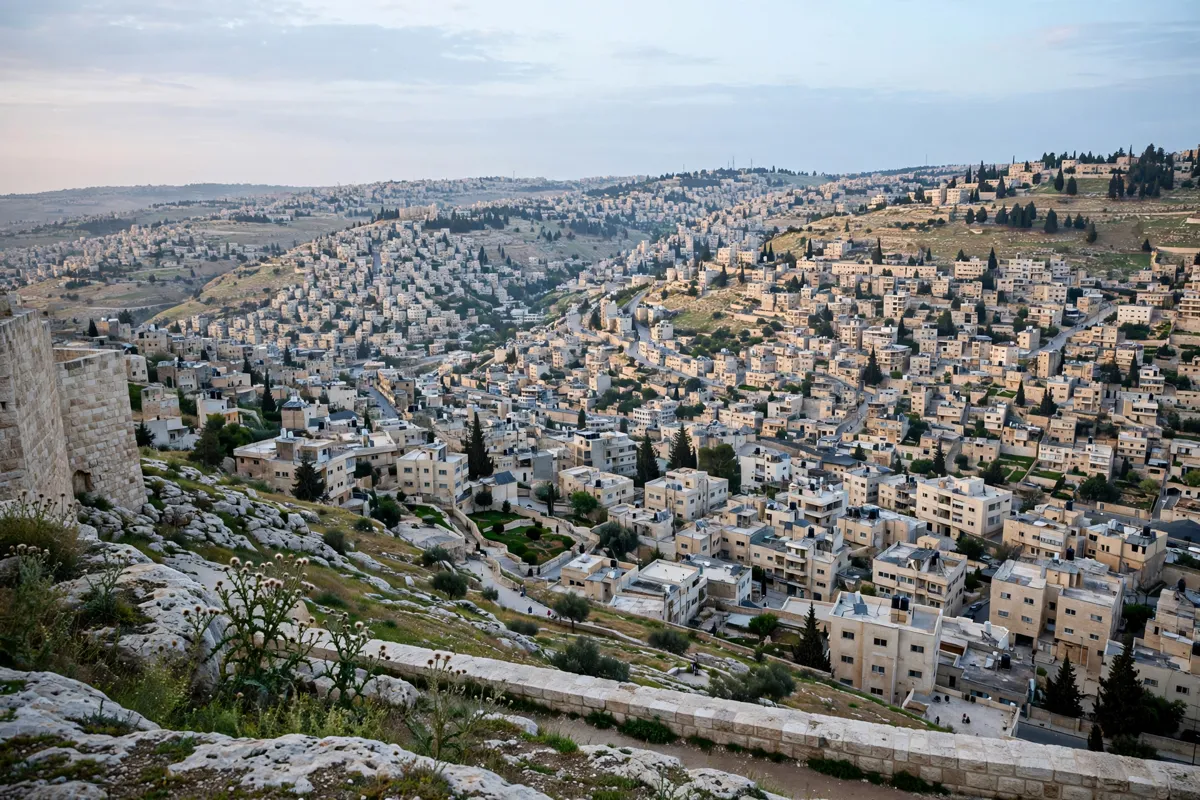
The viewpoint over downtown Amman
The Citadel’s hilltop position gives views over downtown Amman, with the city spread below the archaeological site.
Take time to look outward as well as at the ruins: the setting helps explain the Citadel’s relationship to the centre of the modern city. The site overlooks downtown, while its remains trace settlement and rebuilding across a long span of history.
If you’re arranging a full day around central Amman, the Citadel can fit into a route that also includes other downtown sights. A downtown-first one-day itinerary for Amman offers another way to think about combining the area’s landmarks.
How do you get to the Amman Citadel?
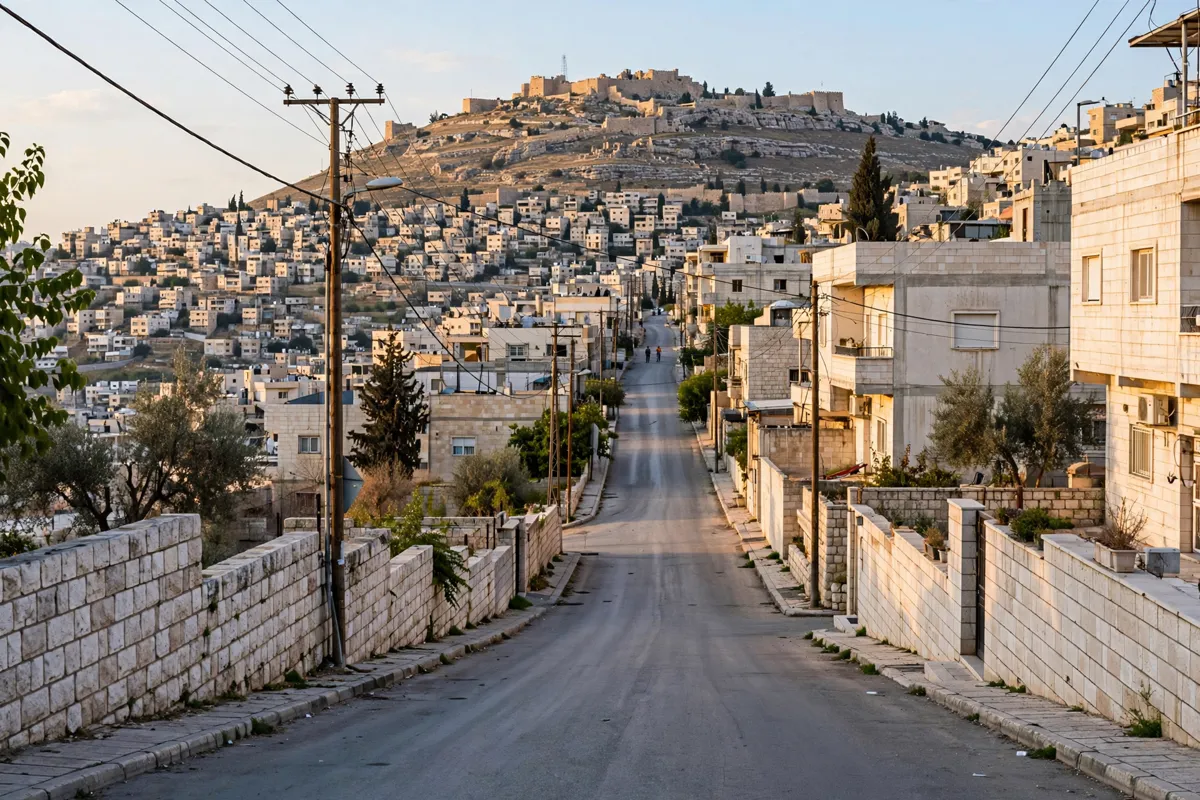
The Citadel is on a hill above downtown Amman, about 0.5 km from Khan Khediwe.
Because the site sits above the city centre, expect the approach to involve a change in elevation. The Department of Antiquities gives the site coordinates as latitude 31.95401697 and longitude 35.93486821; use local directions to locate the entrance when you set out.
Tickets, opening hours and access
Entrance fees are 0.25 Jordanian dinars for Jordanians and 3 Jordanian dinars for foreign visitors.
Opening hours
- Monday to Sunday: 8:00–18:00
Last checked November 2026. Hours can change on holidays and for special events.
Opening hours are 8:00 am–4:00 pm from November through April, 8:00 am–6:30 pm in summer, 8:00 am–5:30 pm in April and May, and 9:00 am–5:00 pm during Ramadan. April appears in overlapping seasonal categories, so confirm the applicable hours before planning your visit.
A government tourism booklet describes step-free entrances and exits, accessible internal pathways and tactile floor indicators for wheelchair users and visitors with visual disabilities. Before you go: Hours and ticket information can change, so check the official site before you go.
FAQs
What is the Amman Citadel called in Arabic?
It is also known as Jabal Al-Qal‘a.
What are the main landmarks at the Amman Citadel?
Major landmarks include the Temple of Hercules, Byzantine Church, Umayyad Palace, Umayyad Mosque, Market (Souq), Cistern and Ayyubid Tower.
How much does entrance to the Amman Citadel cost?
The fee is 0.25 Jordanian dinars for Jordanians and 3 Jordanian dinars for foreign visitors.
Is the Amman Citadel accessible?
A government tourism booklet describes step-free entrances and exits, accessible internal pathways and tactile floor indicators.